

Trump’s Plot to Make the Lost Cause Great Again
Nearly a century ago, W. E. B. Du Bois identified one of American history’s darkest patterns. The administration and its allies are determined to bring it back.
By Jenice R. Robinson and Tianna Mays
The defining feature of the last year is an attack on our democracy so unrelenting that every day feels like a week as one offense blurs into the next.
But if we look past the chaos, a quintessentially American pattern emerges. It is a cycle that W. E. B. Du Bois identified nearly a century ago: Democratic backsliding eventually follows democratic advancement.
After the Civil War, formerly enslaved people began to engage in civic life, enroll in schools, and hold political office. In his masterful work Black Reconstruction in America 1860-1880, Du Bois documented how this brief period represented a bold effort to build a thriving multiracial democracy and repair the moral and political catastrophe of chattel slavery. But political and economic elites, threatened by the redistribution of power, had other plans.
The end of Reconstruction and the dawn of Jim Crow was a coordinated social and political project. Organizations such as the United Daughters of the Confederacy rewrote K-12 textbooks to romanticize the defeated Confederacy and sanitize slavery. Powerbrokers erected monuments to Confederate soldiers, recast Black political participation as illegitimate, and imposed barriers to the ballot. The U.S. Supreme Court delivered a defining blow in 1896 by sanctioning racial segregation in Plessy v. Ferguson. This sweeping campaign became known as the Lost Cause. Its corrosive, erroneous message was simple: an inclusive democracy threatens white political and economic power.
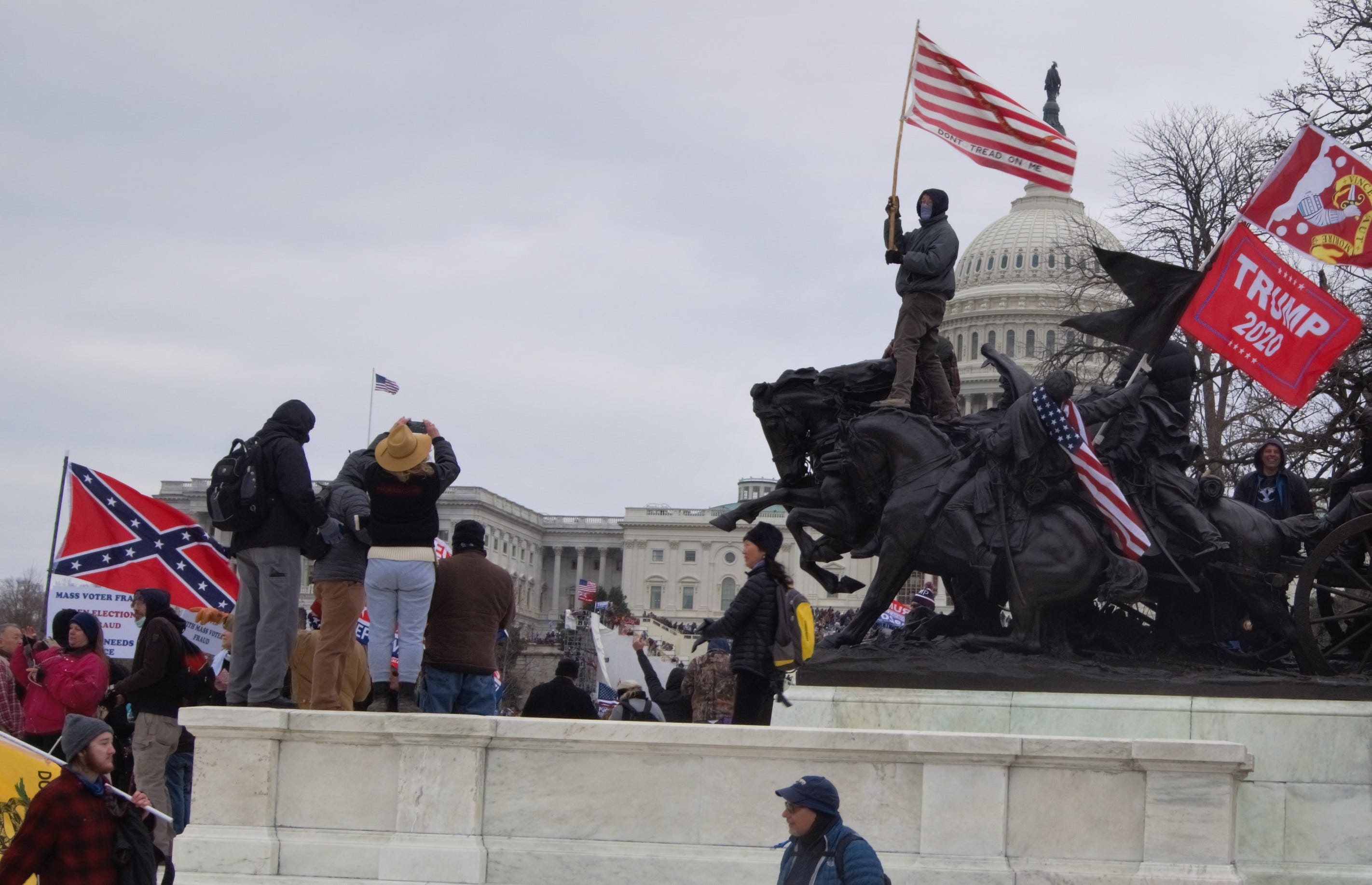
Today, we are living through the opening act of a second Lost Cause. President Trump and his allies are waging a battle over our historical memory, attempting to narrow the very definition of who is American, and consolidating power and wealth in the hands of an elite few. Their anti-democratic project requires silencing dissent. Yesterday’s poll taxes and literacy tests have been replaced with racial gerrymandering and baseless claims that legitimate votes in large, diverse cities are fraudulent. And the U.S. Supreme Court, in its upcoming Louisiana v. Callais decision, yet again appears poised to sanction this project.
Just as adherents to the Lost Cause waged a propaganda campaign to divide communities and legitimize their hoarding of power, the White House and its allies reframe history they find inconvenient and silence any critiques of their rhetoric as woke gone amok, whatever that means. In January, President Trump mused that the Civil Rights Act of 1964 was a “mistake” that “hurt” white Americans. He has complained that the National Museum of African American History and Culture focuses too much on the “bad parts” of slavery, as though the honest telling of history is the problem. The secretary of defense has attacked racial and gender diversity in our military.
The Lost Cause also depended on dehumanizing formerly enslaved people. Today, that role is filled by immigrants, whom the administration and its allies cast as “illegals” and “criminals,” Black people (still), the LGBTQ+ community, and anyone who dares to dissent. The president is a fitting vessel for this anti-democratic project; let’s not forget that his political rise was propelled by claiming the first Black president was not a U.S. citizen. Or that a defining moment in his first presidential campaign was calling Mexican immigrants “rapists.” Weeks ago, he shared a racist video of former President Barack Obama and Michelle Obama and refused to apologize. The second Lost Cause’s offensive and deeply undemocratic message is the same today as it was the first time. There are Americans, and then there are others who are threats to those “real” Americans.
After Reconstruction, the mythology of the Lost Cause primed the public to accept Black subjugation as the natural order of things. But it’s called the Lost Cause for a reason: it was a lie, and a groundswell of resistance successfully challenged and eventually stamped out that mythmaking. History has a way of righting the ship. The second Lost Cause is destined to meet the same fate.
We, our colleagues at Democracy Defenders Action, and our pro-democracy partners battle these attacks on our democracy every day in the court of law and the court of public opinion. Ours isn't a partisan fight over control of the presidency or Congress. It's a battle over America's story and who we are as a nation. And we believe that the majority of us who want an inclusive democracy that allows all of us to live up to our potential will prevail. To do so, though, requires being honest about what we’re up against.
W. E. B. Du Bois understood that our collective historical memory, political narrative, and economic power are intertwined. The stories we share shape the public policies and social mores we tolerate. As Black History Month comes to a close, let’s remember that recognizing the full, unvarnished history of this nation—and the generations of Black thinkers, activists, and leaders who helped transform it—is an act of protecting our democracy. The fight over our past is inseparable from our fight to safeguard our democracy today.
Jenice R. Robinson is the communications director at Democracy Defenders Fund; Tianna Mays is the Legal Director at Democracy Defenders Fund.
Seeing the Confederate flag anywhere is offensive. Seeing it on display in Washington D.C. is immoral, perverse and traitorous.
Thank you both so much for all your organization does for the preservation of democracy. 🇺🇸🦅