

The War Powers Resolution Remains a Paper Tiger
Congress keeps reacting to force instead of authorizing it—and presidents have learned the lesson.

On Thursday, the Republican-led U.S. Senate voted 52–47 to advance a War Powers resolution that would constrain President Donald Trump’s ability to order further military actions in Venezuela without congressional approval. All Democrats and five Republicans supported it. This was not a tectonic shift or a principled reawakening. It reflects a Congress trying—late—to recover leverage after losing control of the storyline.
The precipitating event—the U.S. military operation that captured Venezuelan President Nicolás Maduro—was executed without prior authorization from Congress. Legislators learned of it only after its success was reported, an operational rhythm that has become familiar. That sequence—executive action followed by legislative reaction—should trouble anyone serious about the constitutional separation of powers.
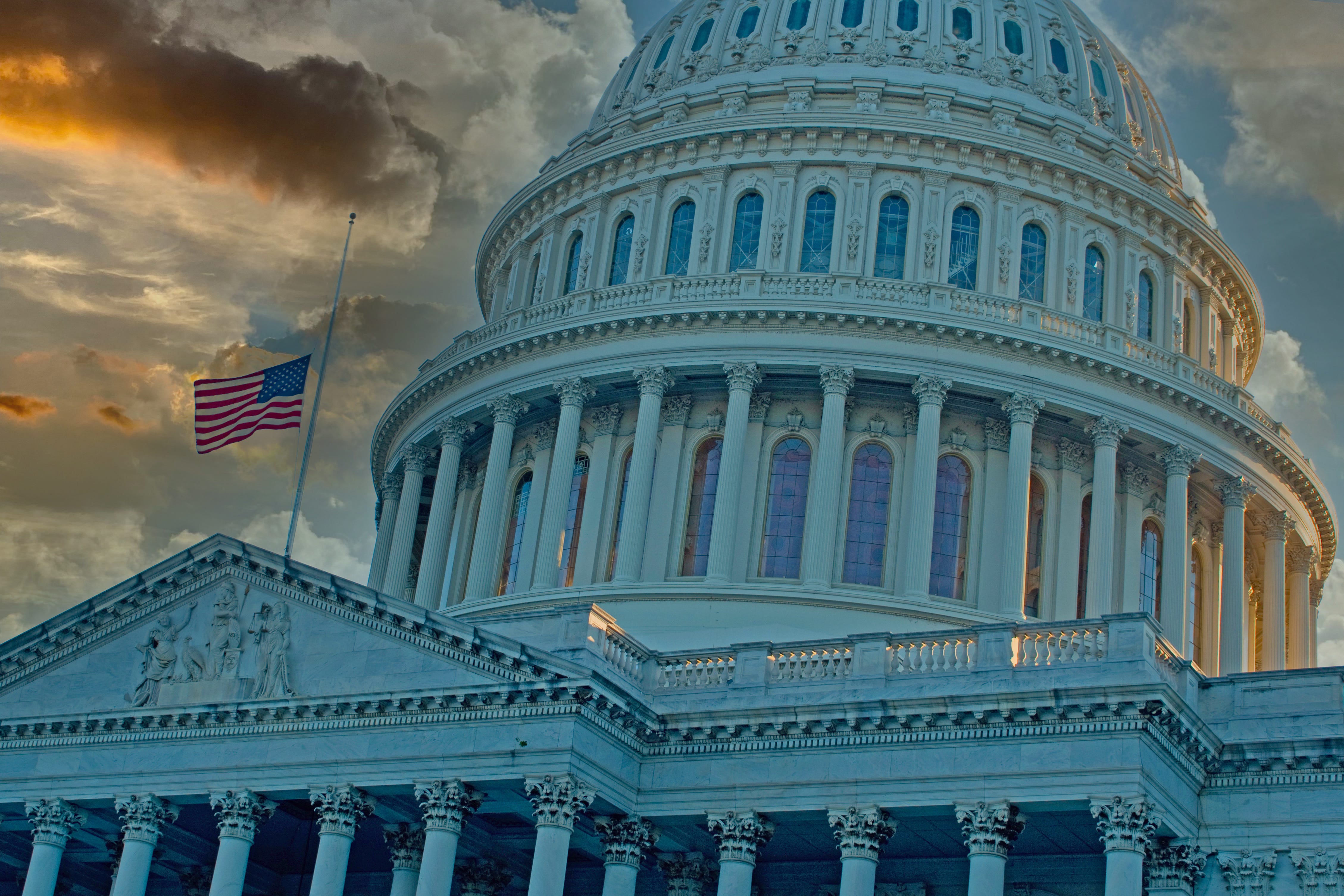
The War Powers Resolution of 1973 was supposed to ensure a balance of powers, requiring timely consultations and authorization. Yet every president since Richard Nixon has treated its constraints as malleable: notification and reporting have become check-the-box exercises, and the 60- to 90-day termination requirement has been sidestepped or reinterpreted through broad legal memos.
This is not a one-party story. Across administrations, Congress has tolerated a model in which it is informed after the fact and then rewarded for performative indignation rather than durable constraint. That bargain has suited both parties at different times. It has also trained presidents—of both parties—to treat Congress less as a constitutional partner than as an audience.
That history is why Thursday’s vote reads as a symptom, not a cure. When Congress only asserts itself after a dramatic use of force—after the aircraft have flown, after the target is in custody, after the administration has banked the spectacle—it forfeits the ability to shape objectives, limits, escalation control, and exit ramps. In the absence of consistent oversight and clear legislative frameworks—with enforceable requirements for consultation before significant military actions—the United States lurches from crisis to crisis with ad hoc strategies that reflect personalities and political cycles rather than coherent national interests.
That has consequences. Allies watch how casually Washington treats its own internal guardrails and draw conclusions about predictability and constraint. Adversaries learn that a headline-grabbing action can become a completed fact before any democratic friction kicks in. And the American public learns, again, that the real debate happens after the decision—when the hardest choices have already been made—without the benefit of informed debate.
Supporters of broad executive discretion will argue that speed is the point: immediate threats, fast-moving crises, moments when delay is not deliberation but risk. No serious national-security practitioner denies that. The constitutional question is not whether a president can ever act quickly. The question is whether quick action becomes a standing theory of government—a blanket permission slip that turns major uses of force into spectacle, with Congress relegated to commentary.
Congress needs to do what it almost never does: legislate constraints that bite before the next crisis—and force lawmakers to own the decision up front. The irony is that a genuine reaffirmation of congressional authority—clear definitions, enforceable pre-deployment consultation protocols, and sunset provisions tied to strategic objectives—would actually strengthen national security. It would bind executive action to democratic legitimacy and make U.S. commitments abroad more stable and predictable. By contrast, the status quo—ambiguous executive claims accommodated by legislative timidity—breeds unpredictability, invites international skepticism, and erodes domestic legitimacy.
As a practical matter, this resolution is unlikely to change anything. After it leaves the Senate, it still must clear the House, where its prospects are dim, and, even if it did, it would likely face a presidential veto—one that would require supermajorities that don’t exist to override.
And Venezuela is unlikely to be the last test. Colombia, Mexico, Greenland, or some future theater closer to home could all present the same basic temptation: act first, consult later, dare Congress to catch up.
If Congress wants to stop being treated as an afterthought, it has to stop behaving like one.
Brian O’Neill, a retired senior executive from the CIA and National Counterterrorism Center, is an instructor on strategic intelligence at Georgia Tech. His Safehouse Briefing Substack looks at what’s ahead in global security, geopolitics, and national strategy.
 | A guest post by
|
Good article. “As a practical matter, this resolution is unlikely to change anything. After it leaves the Senate, it still must clear the House, where its prospects are dim, and, even if it did, it would likely face a presidential veto—one that would require supermajorities that don’t exist to override.” This is why I’m concerned about the midterm elections in November. Robert Reich said in his Substack, “Trump is putting America on a war footing because war is good for him as it is for all dictators. War confers emergency powers. It justifies ignoring the niceties of elections.” What are the odds this is their plan for avoiding electoral rebuke in the midterms? We must prepare to act in advance to protect elections against Trump’s likely attempt to cancel, delay or void them.
Thank you for this outstanding article.
The recommendation for Congress to "legislate constraints that bites". Beyond the congressional will to do that, are these constraints hard to craft? Has legislation with bite already been drafted?